
Why Packing a Hospital Bag Feels So Emotional
Packing a hospital bag is more than simply preparing for a stay.
For many moms, it's the first moment pregnancy truly starts feeling real. Labor and delivery can feel unpredictable, exciting, overwhelming, and terrifying — often all at the same time.
Most moms worry about:
- Packing too much or not enough
- Forgetting important recovery items
- Labor starting before the bag is ready
- Not feeling comfortable or prepared at the hospital
- Postpartum recovery being harder than expected
- Missing comfort items during a long labor
The good news is that most hospital bag stress comes from uncertainty — not from needing hundreds of items. A well-packed bag helps moms feel calmer, more organized, and more emotionally prepared before labor begins.
Complete Hospital Bag Checklist for Moms
Use this checklist as you pack. Print it, screenshot it, or generate a personalized version tailored to your birth plan, hospital, and recovery needs.
Important Documents
- ID or passport
- Insurance information
- Hospital paperwork and pre-registration
- Birth plan copies (at least 3)
- Emergency contacts list
- Phone charger (extra long)
- Wallet and payment cards
- Pediatrician information
- Portable power bank
Parent TipMany moms place documents in a separate easy-access pouch so they're ready instantly during hospital check-in — without searching through a full bag while contractions are already starting.
Labor & Comfort Essentials
- Comfortable nightgown or loose hospital gown
- Robe for walking the halls
- Slippers with grip soles
- Warm fuzzy socks
- Lip balm
- Hair ties and headband
- Insulated water bottle
- Snacks (more than you think)
- Heating pad or tens machine
- Massage tools or tennis balls
- Relaxation playlist downloaded offline
- Pillow from home
- Eye mask
Hospital rooms can feel cold, clinical, and unfamiliar during labor. Familiar comfort items — your own pillow, favourite lip balm, warm socks — often help moms feel calmer and more grounded in an overwhelming environment.
Postpartum Recovery Essentials
- Loose comfortable going-home outfit
- Nursing bras (at least 2)
- Heavy-flow maternity pads
- Disposable postpartum underwear
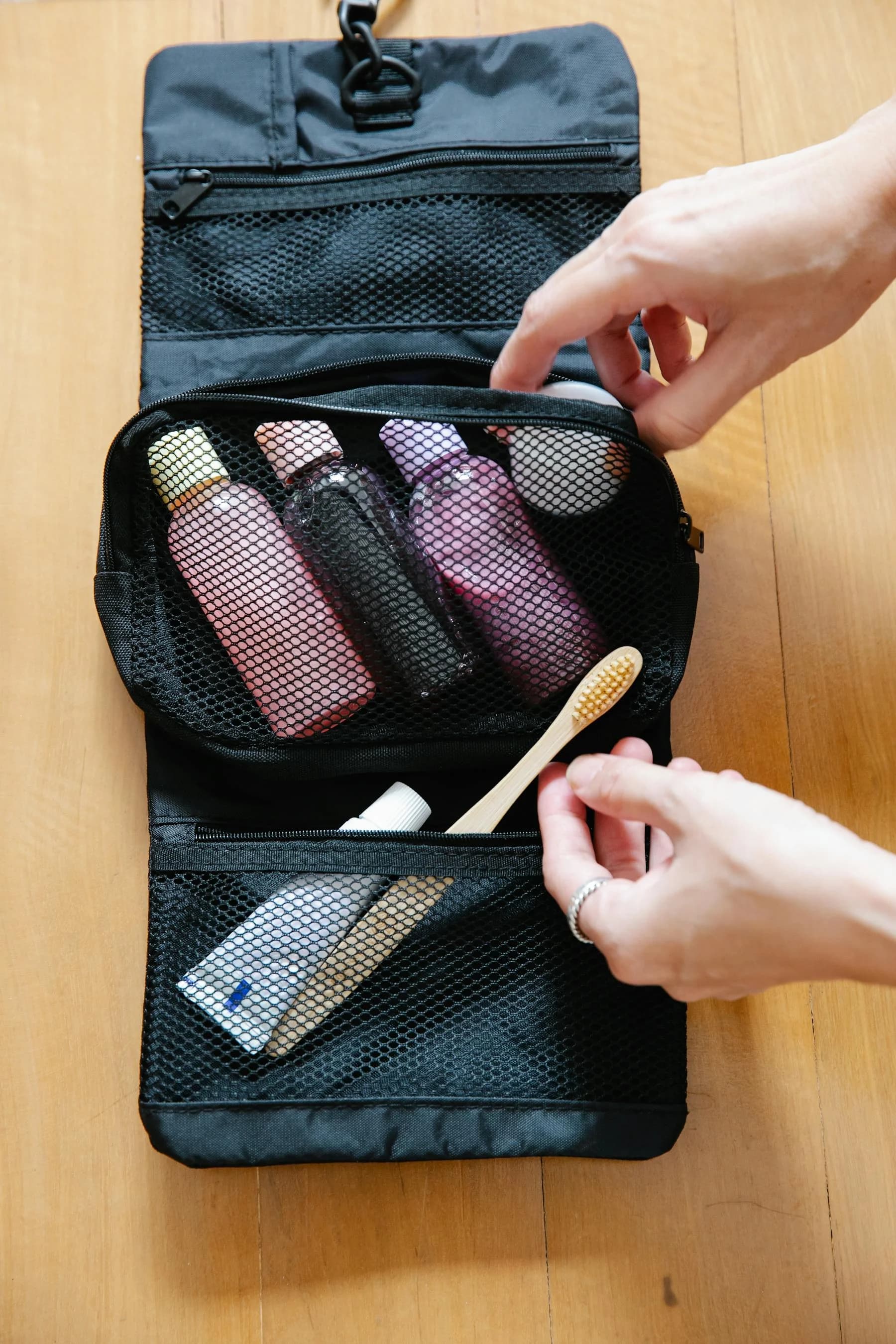
- Basic toiletries and dry shampoo
- Face wipes and micellar water
- Nipple cream (lanolin)
- Comfortable waistband clothing
- Soft cozy blanket from home
- Snacks for postpartum recovery
- Straw water bottle
Many moms underestimate how physically exhausting postpartum recovery feels during the first hospital days. Comfort matters far more than appearance. Pack for recovery, not performance.
Parent TipDisposable postpartum underwear is consistently one of the most appreciated items moms pack. Many hospitals provide pads but not underwear — and most moms find hospital mesh underwear far less comfortable than their own.
Baby Essentials
- Newborn outfits (2–3)
- Swaddle blankets
- Baby blanket for going home
- Going-home outfit
- Infant car seat (installed before hospital)
- Baby mittens
- Pacifier if desired
- Newborn hat
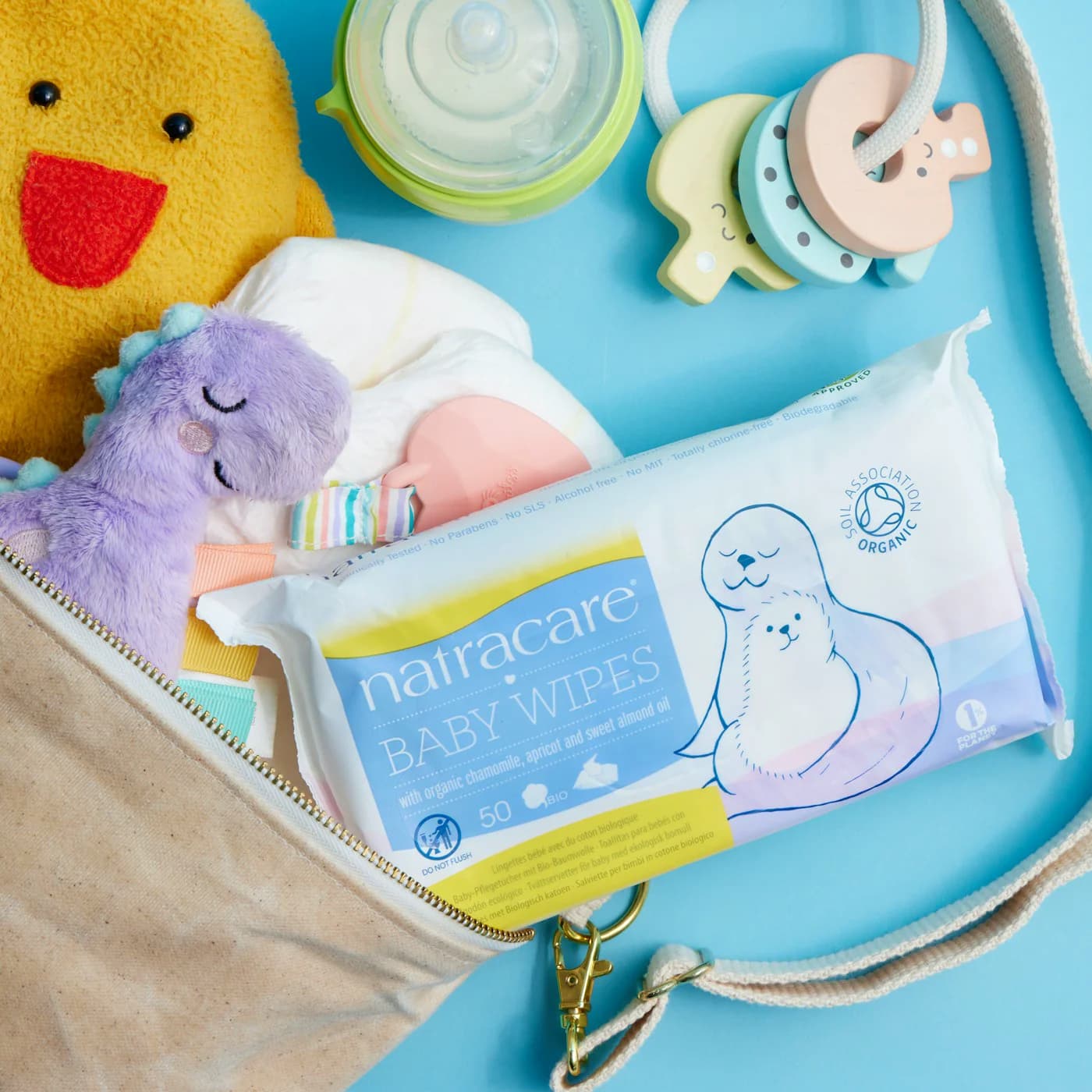
Most hospitals provide basic newborn supplies — diapers, wipes, swaddle blankets — during the stay. Many parents still bring personal clothing and comfort items for photos and the first precious moments at home.
Partner Essentials
- Snacks and easy meals
- Phone charger
- Comfortable change of clothes
- Toothbrush and toiletries
- Pillow from home
- Water bottle
- Downloaded entertainment
- Hoodie or warm layer
- Cash for vending machines
Partners often forget they may spend 24–48 hours at the hospital too. A long labor is exhausting for everyone. Packing a small separate bag for the partner means neither person has to leave at an important moment.
Want a list tailored to your birth plan and hospital?
AI-generated based on your due date, birth type, and recovery needs
Things Moms Commonly Forget in Hospital Bags
Even experienced moms forget important hospital essentials.
The most commonly forgotten items include:
- Extra long phone charger
- Lip balm
- Comfortable warm socks
- Enough snacks for a long labor
- Postpartum disposable underwear
- Nursing bras
- Going-home outfit for mom
- Baby nail mittens
- Portable power bank
- Dry shampoo
- Straw cup or insulated water bottle
Many moms also overpack items that never get used during the hospital stay — formal pajamas, too many baby outfits, unnecessary gadgets. Focus on comfort, recovery, and realistic essentials instead of packing for every possible scenario.
When Should Moms Pack Their Hospital Bag?
Most parents start packing hospital bags between 30 and 36 weeks of pregnancy.
Some moms prefer packing earlier for peace of mind — especially during high-risk pregnancies or when labor may happen unexpectedly. Packing early often reduces anxiety during the final, most emotional weeks of pregnancy.
Pack Documents in a Separate Pouch
Many moms place insurance cards, ID, hospital paperwork, and birth plan copies in a clearly labeled pouch at the very top of the hospital bag. During check-in, fumbling through a full bag while contractions are starting is one of the most stressful moments parents describe.
Prepare for Postpartum, Not Just Labor
Most first-time moms focus so heavily on labor that they underpack for postpartum recovery — which is where they spend most of their hospital time. Nursing bras, disposable underwear, nipple cream, and comfortable loose clothing matter more than most people expect.
Keep the Bag Near the Door
Many families store the packed hospital bag near the front door, in the car, or just inside the nursery during the final weeks. Labor can begin unexpectedly, and a pre-packed bag that is easy to grab removes real stress during an already emotional moment.
Let Hospitals Do Their Job
Most hospitals provide diapers, wipes, basic baby care items, pads, and many postpartum essentials. Overpacking is one of the most common hospital bag mistakes parents make. Focus on comfort and personal items that hospitals cannot provide.
For related preparation, see the C-section hospital bag checklist and the hospital bag checklist for baby.
Printable Hospital Bag Checklist
Many moms prefer using a printable hospital bag checklist during the final weeks of pregnancy. A physical checklist helps reduce forgotten essentials, organize packing, and lower pre-labor anxiety.
Sign up free to generate and download your personalized version — tailored to your birth plan, hospital, and due date.
Download Printable Checklist →Frequently Asked Questions
Common questions moms ask before packing for labor and delivery.
What should moms pack in their hospital bag?+
Most moms pack important documents, postpartum essentials, comfortable clothing, toiletries, baby clothes, snacks, and comfort items like a pillow from home and lip balm. The most important things are documents, postpartum recovery items, and comfort during labor.
When should you pack your hospital bag?+
Most parents begin packing their hospital bag between 30 and 36 weeks of pregnancy. Packing earlier — especially during high-risk pregnancies — helps reduce anxiety during the final weeks and ensures the bag is ready if labor begins unexpectedly.
What do moms commonly forget in hospital bags?+
The most commonly forgotten hospital bag items include long phone chargers, lip balm, comfortable socks, extra snacks, postpartum underwear, nursing bras, a going-home outfit for mom, and baby nail mittens.
Do hospitals provide baby supplies?+
Most hospitals provide basic diapers, wipes, swaddle blankets, and some postpartum supplies. However, many parents still bring personal baby clothing, a going-home outfit, and comfort items for photos and the first family moments.
How many outfits should I pack for baby in the hospital bag?+
Most parents pack two to three newborn outfits — one for hospital photos, one for the going-home moment, and a backup. Hospitals usually provide everything else baby needs during the stay itself.
Related Packing Lists
Feel More Prepared Before Delivery Day
BagCheck Baby helps parents create personalized packing checklists for hospital stays, newborn essentials, travel, daycare, and everyday parenting routines.
Less stress. More confidence. Better preparation.
Create My Hospital Checklist →