
Why Beach Days Require Different Packing
Beach outings are different from everyday trips.
Parents need to think about:
- Sun protection for extended outdoor exposure
- Hydration in heat with limited access to water
- Sandy messes that complicate diaper changes
- Wet clothing from water play
- Longer outdoor exposure than typical outings
- Entertainment when children need breaks from the water
A well-packed beach diaper bag helps avoid many common beach-day frustrations — from the dreaded "we forgot sunscreen" moment to a sandy diaper change without a proper changing pad.
Complete Beach Diaper Bag Checklist
Use this checklist before every beach trip. Screenshot it, print it, or generate a personalized version tailored to your child's age and your specific destination.
Sun Protection Essentials
- Baby-safe sunscreen
- Sun hat
- Sunglasses (if used)
- Rash guard
- Beach umbrella
- Stroller shade
- Cooling towel
Parent TipReapplying sunscreen is just as important as bringing it. Most parents apply sunscreen once and forget to reapply after water exposure or every two hours. A phone reminder can help on longer beach days.
Hydration Essentials
- Water bottles
- Formula or milk supplies
- Electrolyte drinks for older toddlers
- Insulated bottle or thermos
Children often become dehydrated faster than parents expect during beach outings. The combination of sun, heat, and physical activity depletes fluids quickly. Offer drinks proactively throughout the day rather than waiting for your child to ask — young children frequently miss their own thirst cues.
Beach Clothing Essentials
- Swimsuit
- Extra outfit
- Extra socks
- Lightweight cover-up
- Beach towel
- Wet bag for damp clothes
Most beach trips require more clothing changes than parents expect. Sand, water, sunscreen, and food combine to create frequent mess situations. A wet bag keeps damp or sandy clothes contained so they don't soak everything else in the bag.
Diapering Essentials
- Swim diapers
- Regular diapers
- Wipes
- Portable changing pad
- Diaper cream
- Plastic bags
- Hand sanitizer
Beach diaper changes are rarely convenient, so preparation matters. Swim diapers are essential for water time but don't replace regular diapers for the rest of the day. Many parents lay a portable changing pad directly on the sand and find this works reasonably well with enough wipes on hand.
Snacks & Entertainment
- Easy-to-eat snacks
- Fruit pouches
- Crackers
- Favorite toy
- Beach toys
- Books
- Bubbles
A few familiar activities can make a significant difference when children need a break from the water. Beach toys and bubbles give toddlers something to do during shade breaks without requiring screens or complex setup.
Want a beach list tailored to your child's age?
AI-generated based on age, destination, and your specific situation
Things Parents Commonly Forget At The Beach
Even well-organized parents leave the house without at least one beach essential.
The most forgotten beach items include:
- Sunscreen
- Swim diapers
- Water
- Extra clothes
- Sun hats
- Wet bags
- Towels
- Snacks
Many parents also underestimate how quickly babies and toddlers become tired after time in the sun. A child who easily handles a two-hour park trip may be completely done after forty-five minutes at the beach. Planning for earlier departures than expected helps avoid the overtired meltdown on the way back to the car.
How To Keep Babies Comfortable At The Beach
These aren't tips from parenting magazines. They're what parents actually figure out after a few difficult beach days.
Take Frequent Shade Breaks
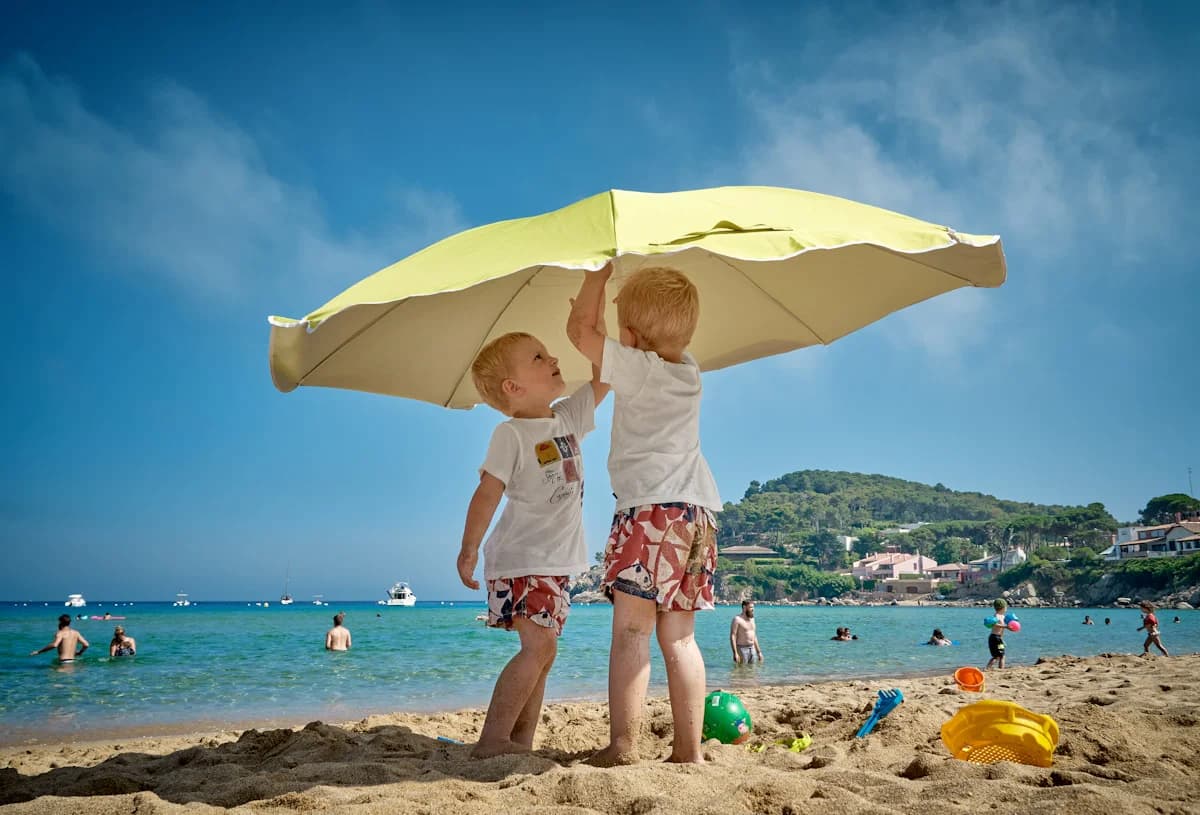
Young children overheat faster than adults and often don't signal distress clearly. Taking regular breaks under the umbrella — even ten minutes every hour — makes a significant difference in how long a beach day stays enjoyable. Shade often helps more than parents expect.
Bring More Water Than You Think
Children become dehydrated faster than adults during beach outings, especially in direct sun. Most parents underestimate how much water is needed. Offer fluids proactively throughout the day rather than waiting for your child to ask — thirst is often a late signal of dehydration in young children.
Plan Around Nap Schedules
Beach days are exhausting for babies and toddlers in ways that aren't always obvious until the meltdown arrives. Arriving early and leaving before the usual nap window helps avoid the overtired spiral. Many parents find morning beach visits far more successful than afternoon ones.
Pack Extra Clothes
Most beach trips require more clothing changes than parents anticipate. Sand, water, sunscreen, snacks, and spontaneous diaper situations add up quickly. A wet bag keeps damp or sandy clothes contained without creating a mess inside the rest of the bag.
Arrive Early To Avoid Peak Heat
The hottest part of a beach day typically falls between 11am and 3pm. Early arrivals allow families to enjoy the beach before temperatures peak and before sand gets scorching hot. Many parents find that leaving by noon on summer beach days prevents most heat-related problems entirely.
Printable Beach Diaper Bag Checklist
Many parents prefer using a printable checklist before beach trips. A printed version reduces forgotten items, simplifies packing, and helps organize beach supplies before leaving home.
Sign up free to generate and download a personalized version — tailored to your child's age and your specific beach destination.
Download Printable Checklist →Frequently Asked Questions
Common questions parents ask about beach days with babies and toddlers.
What should I pack in a beach diaper bag?+
A beach diaper bag should include swim diapers, regular diapers, baby-safe sunscreen, a sun hat, a rash guard, extra outfits, beach towels, a wet bag for damp clothes, water bottles, snacks, and a portable changing pad. Many parents also bring beach toys, bubbles, and a cooling towel for longer days at the shore.
How many diapers should I bring to the beach?+
Most parents pack more diapers than expected for beach trips. A good starting point is one diaper per hour plus three or four extras — beach days often run longer than planned and sandy diaper changes use additional supplies quickly. Always pack both swim diapers for water time and regular diapers for the rest of the day.
Do babies need sunscreen?+
Most pediatricians recommend keeping babies under six months out of direct sunlight rather than applying sunscreen — shade, hats, and protective clothing are preferred at that age. For babies over six months, a mineral-based sunscreen labeled safe for infants is generally recommended and should be reapplied every one to two hours and after water exposure. Always consult your pediatrician for age-specific guidance.
What do parents commonly forget at the beach?+
The most commonly forgotten beach items are sunscreen, swim diapers, water, extra clothes, and wet bags for damp items. Many parents also forget how quickly babies and toddlers become tired from sun exposure and underpack snacks or fail to plan enough shade breaks throughout the day.
How can I keep my baby cool at the beach?+
The most effective strategies are staying under a beach umbrella, scheduling visits for early morning or late afternoon to avoid peak heat, offering fluids frequently, dressing babies in lightweight breathable fabrics and rash guards, and taking regular breaks from the sun. A cooling towel dampened with cool water can also help during shade breaks on especially hot days.
Related Packing Lists
Enjoy More Relaxed Beach Days
BagCheck Baby helps parents create personalized packing checklists for beach days, travel, daycare, doctor visits, hospital stays, and everyday adventures.
Less stress. Better preparation. More fun.
Create My Beach Checklist →