

Why Doctor Visits Feel Stressful for Parents
Doctor visits often involve much more than simply showing up.
Parents need to remember feeding schedules, diaper changes, paperwork, insurance information, vaccination records, and questions for the pediatrician — all at once, often while managing a fussy baby.
- Forgetting medical information at a critical moment
- Running out of diapers during unexpected delays
- Missing feeding supplies when the baby gets hungry
- Not remembering important questions once the appointment starts
- Dealing with long waiting times with a fussy baby
The good news is that a simple checklist can dramatically reduce appointment-day stress. A prepared bag means you spend more time focused on your baby and less time worrying about forgotten essentials.
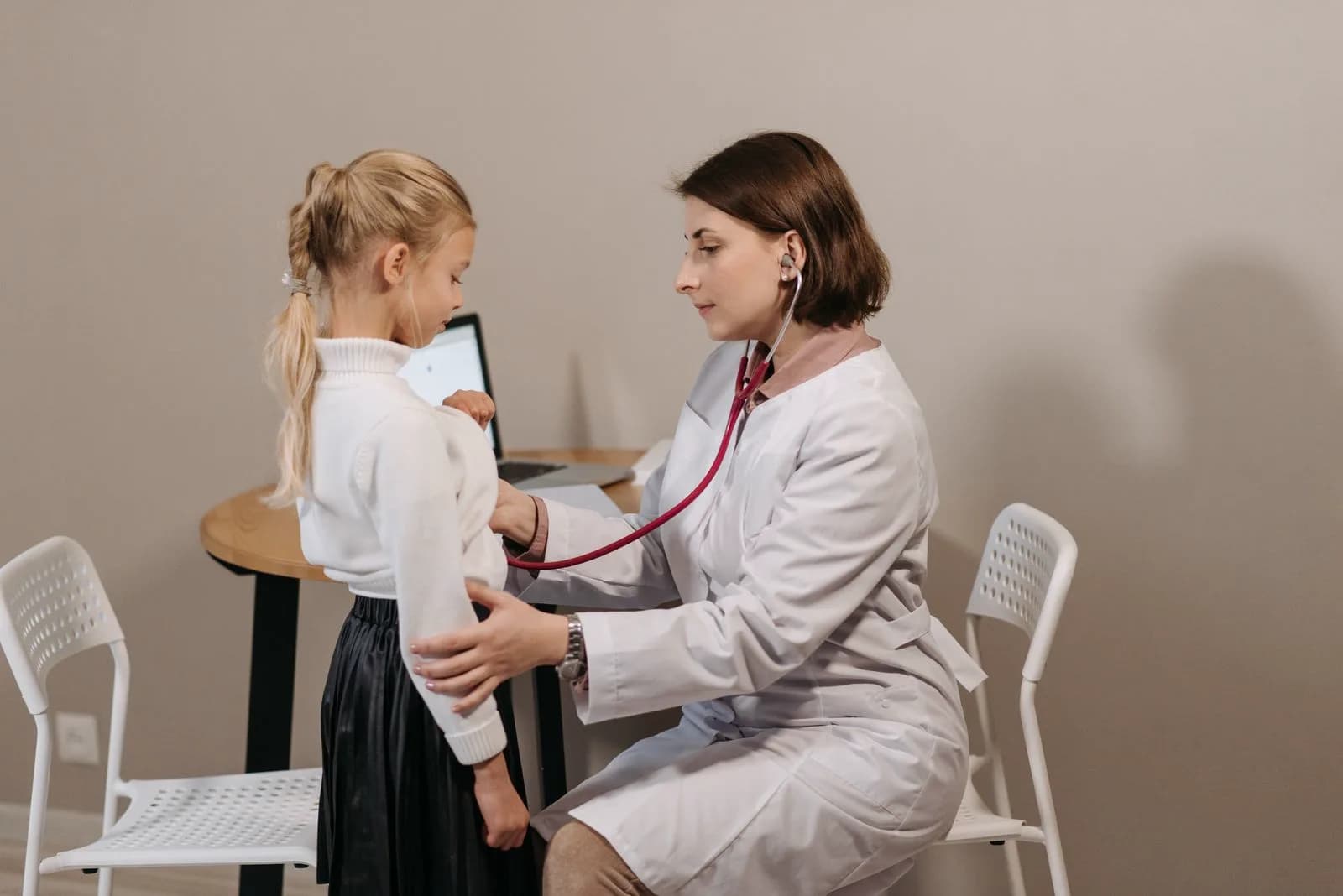
Complete Baby Doctor Visit Checklist
Use this checklist before every pediatrician appointment. Print it, screenshot it, or generate a personalized version tailored to your baby's age and visit type.
Medical Information
- Insurance card
- Vaccination records
- Medical history notes
- Medication list
- Allergy information
- Pediatrician paperwork
- Emergency contact information
Parent TipKeep all medical records together in one dedicated folder or pouch inside your bag. When the receptionist asks for your insurance card or the doctor asks about vaccination history, you won't need to dig through everything.
Feeding Essentials
- Bottle
- Formula or breast milk
- Burp cloth
- Bib
- Water for parents
- Small snacks for older babies
Appointments often take longer than expected. A waiting room delay of 30–45 minutes can turn a routine visit into a much more difficult experience if your baby gets hungry. Feeding supplies help keep babies calm throughout.
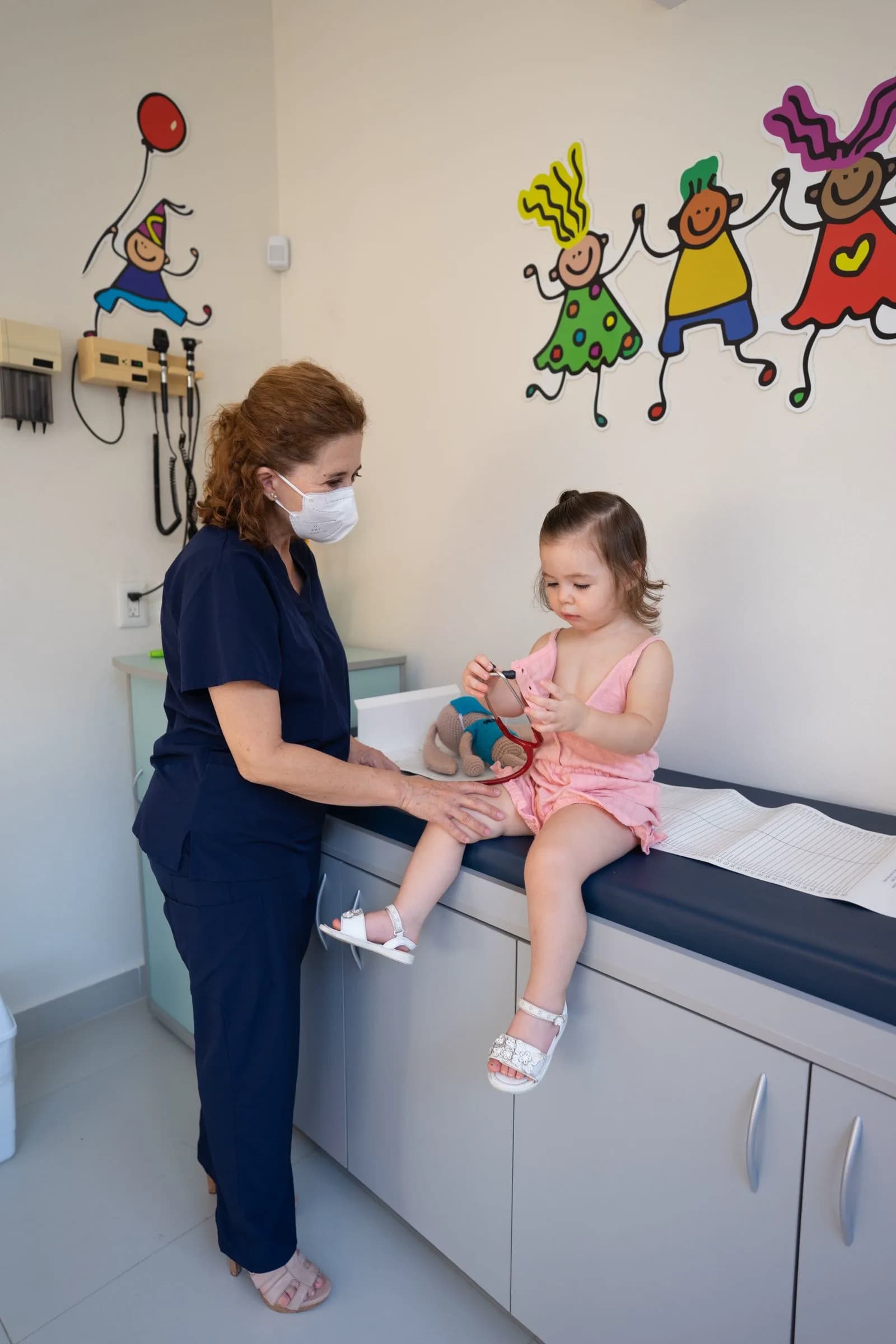
Diaper Bag Essentials
- Diapers (more than you think)
- Wipes
- Portable changing pad
- Diaper cream
- Plastic bags for dirty items
- Spare outfit
- Hand sanitizer
Doctor visits are one of the most common situations where parents end up needing backup clothes and extra diapers. Vaccinations can cause loose stools. Waiting rooms stretch short appointments into long ones. Always pack more than you expect to need.
Comfort Items
- Pacifier
- Favorite toy
- Small blanket
- Comfort item
- Stroller fan if needed
Familiar comfort items help babies stay calmer in unfamiliar medical environments. A favorite toy or pacifier can make a significant difference during examinations — especially for vaccination visits.
Want a list tailored to your baby and visit type?
AI-generated based on age, outing type, and your specific situation
Questions Parents Often Forget To Ask
Many parents leave appointments only to remember important questions in the car on the way home. This happens to almost everyone — not because the questions weren't important, but because the appointment itself is distracting.
Consider writing down questions the night before every visit.
- Is my baby gaining enough weight?
- Is this feeding schedule normal?
- How much sleep is typical for this age?
- Are these symptoms normal?
- When is the next milestone expected?
- What should I watch for before the next visit?

How To Make Pediatrician Visits Easier
These aren't tips from a parenting book. They're what parents actually figure out after a few difficult doctor visits.
Schedule Around Naps
Appointments scheduled during your baby's naturally alert periods tend to go much smoother. A well-rested baby is calmer during examinations, more cooperative during vaccinations, and easier to settle in the waiting room.
Feed Before The Appointment
A fed baby is usually calmer during checkups. Try to feed right before leaving so your baby isn't hungry while waiting. Bring backup feeding supplies anyway — appointments often run longer than expected.
Bring More Diapers Than You Think
Unexpected delays happen at pediatrician offices regularly. Vaccinations can also cause loose stools. Pack at least one extra diaper beyond what you think you'll need — you'll rarely regret having it.
Write Questions In Advance
Parents consistently forget their most important questions the moment they walk into the exam room. Write them down the night before. Even three or four specific questions help you get more value from every appointment.
Things Parents Commonly Forget
The most commonly forgotten doctor visit essentials include:
- Insurance cards
- Vaccination records
- Extra diapers
- Feeding supplies
- Written questions list
- Spare clothes
- Medication information
- Pacifiers
Many parents also consistently underestimate waiting room time. A scheduled 15-minute appointment can easily become a 60-minute wait. Planning for delays rather than expecting them to not happen removes most appointment-day stress.

Printable Baby Doctor Visit Checklist
Many parents prefer using a printable checklist before appointments. A printed version reduces forgotten items, organizes medical records, and simplifies appointment preparation.
Sign up free to generate and download your personalized version — tailored to your baby's age and your specific visit type.
Download Printable Checklist →Frequently Asked Questions
Common questions parents ask about packing for baby doctor visits.
What should I bring to a baby doctor appointment?+
Bring your insurance card, vaccination records, a written list of questions, diapers, wipes, feeding supplies, a comfort item, and a spare outfit. Medical information is especially important for checkups and sick visits.
How many diapers should I bring to a pediatrician appointment?+
Pack at least 3–4 diapers. Doctor visits often run longer than expected due to waiting rooms and extended consultations. Vaccinations can also cause loose stools, so extra diapers are always a good idea.
Should I bring feeding supplies to a baby doctor visit?+
Yes. Appointments frequently take longer than scheduled. Having a bottle, formula or breast milk, and a burp cloth on hand keeps your baby calm during delays. A fed baby is usually calmer during the examination too.
What questions should I ask my pediatrician?+
Write questions down before every visit. Common topics include feeding schedules, weight gain, sleep patterns, developmental milestones, upcoming vaccinations, and any behavioral changes you have noticed.
Do I need vaccination records for every pediatrician appointment?+
It is a good habit to bring vaccination records to every visit, not just vaccination appointments. Doctors reference this record frequently. Keep it in a dedicated medical folder with your insurance card and allergy information.
Related Packing Lists
Feel More Prepared For Every Appointment
BagCheck Baby helps parents create personalized packing checklists for doctor visits, hospital stays, daycare, travel, and everyday parenting routines.
Less stress. Better preparation. More confidence.
Create My Checklist →